There’s More on the Menu Than You Think!
For many people, meat, chicken, fish, eggs and dairy have been at the center of their meals for their entire lives. Take those foods away, and it can seem as though there would be nothing left but salad.
But a whole food plant-based diet isn’t about staring at a plate of lettuce while everyone else enjoys dinner. Once you begin exploring plant-based foods, you may be surprised by just how much there is to eat.
Start With Foods You Already Know
You probably already eat plenty of plant foods.
Think about potatoes, pasta, rice, oats, beans, corn, peas, lentils, tomatoes, vegetables, fruit, whole-grain breads, nuts and seeds.
The difference is learning how to make those foods the stars of the meal rather than side dishes.
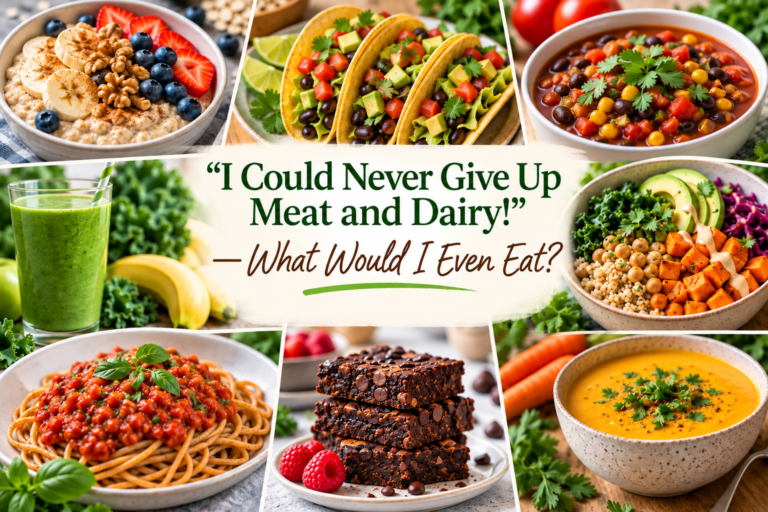
Breakfast might be oatmeal topped with berries, bananas and walnuts. Or whole-grain toast with avocado and tomato. You can make pancakes, overnight oats, breakfast potatoes, smoothies and fruit bowls.
Lunch could be a hearty bean soup, lentil soup, veggie burger, hummus wrap, baked potato loaded with vegetables, or a big grain bowl filled with beans, vegetables and a flavorful dressing.
And dinner?
How about black bean tacos, lentil chili, vegetable stir-fry over brown rice, pasta with a hearty tomato-and-vegetable sauce, stuffed peppers, bean burritos, curries, soups and stews?
Suddenly, the question changes from “What can I eat?” to “Which one should I make tonight?”
But I Love Cheese!
For some people, giving up meat doesn’t sound nearly as difficult as giving up cheese.
If that’s you, you’re certainly not alone.
Instead of focusing on what you’re losing, experiment with new ways to add richness and flavor. Nutritional yeast can add a savory, cheesy flavor to many dishes. Cashews can be blended into creamy sauces. Hummus, avocado, herbs, spices, roasted garlic and flavorful plant-based dressings can completely transform a meal.
Your food doesn’t have to taste exactly like the food you used to eat. The goal is to discover new foods you actually look forward to eating.
You Don’t Have to Change Everything Overnight
This may be the most important part.
If the thought of saying “I’ll never eat meat or cheese again” makes you want to abandon the whole idea, don’t start there.
Try a plant-based breakfast.
Then try a dinner.
Make a pot of chili without meat. Try lentils in a dish where you would normally use ground beef. Put beans, corn, salsa, avocado and brown rice into a burrito bowl.
You don’t have to be perfect to begin.
As you find meals you genuinely enjoy, eating more plant foods can start to feel less like giving something up and more like discovering an entirely new way of eating.
Will I Feel Satisfied?
This is another common concern.
A whole food plant-based meal doesn’t have to be tiny or leave you hungry. Foods such as beans, lentils, whole grains and potatoes can make meals hearty and satisfying, while fruits and vegetables add volume, flavor and variety.
The key is not to simply remove the chicken from your dinner plate and eat the remaining broccoli.
Replace it with something substantial.
A bowl filled with brown rice, black beans, roasted vegetables, corn, avocado and salsa is a meal. A small plate of steamed vegetables isn’t.
That distinction can make plant-based eating much easier.
Think About What You’re Adding
Instead of making a mental list of everything you’re supposed to give up, consider what you can add.
Try a fruit you’ve never bought before. Experiment with lentils. Roast vegetables with different herbs and spices. Discover a new soup. Try a bean burger. Make a creamy sauce from cashews. Find a plant-based taco filling you love.
There are thousands of combinations waiting for you.
And you may eventually discover that the diet you once thought would be terribly restrictive actually introduced you to more variety than you were eating before.
Still Wondering, “But What Would I Eat?”
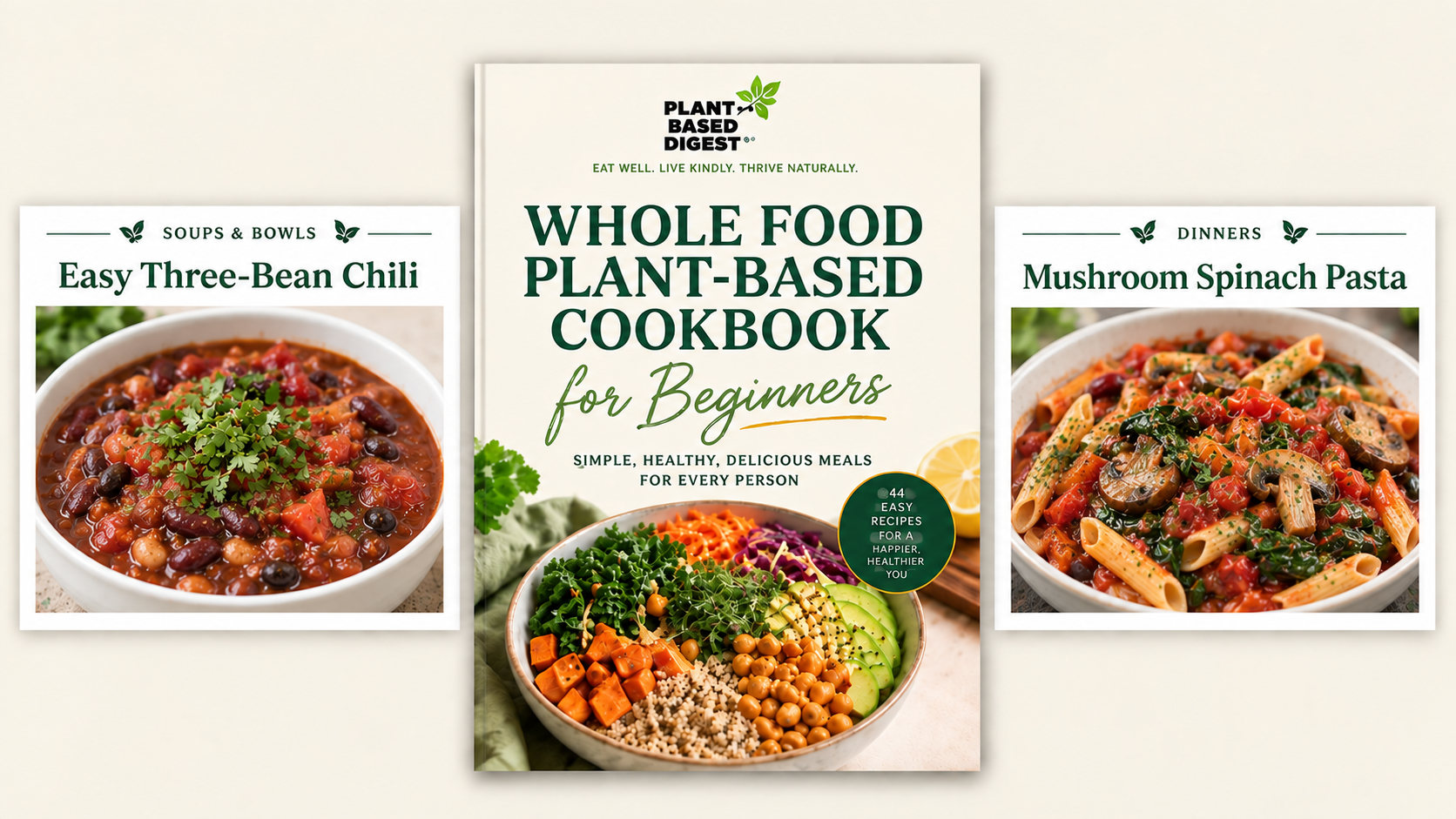
That’s exactly why I created the Whole Food Plant-Based Cookbook for Beginners.
It contains 44 approachable recipes for breakfast, lunch, dinner, desserts and dressings, created to help take some of the uncertainty out of getting started.
You don’t need to be an experienced cook, and you don’t have to live on salads.
Sometimes the easiest way to discover that you can eat this way is simply to start cooking.
Digital Edition — $9.99
Plant-Based Digest
Evidence-based nutrition for real life.
Medical disclaimer: This article is for general educational purposes and is not a substitute for individualized medical or nutritional advice. If you have a medical condition or take medication, discuss significant dietary changes with your healthcare professional.